Understanding Nicotine Purity: What Manufacturers Should Know

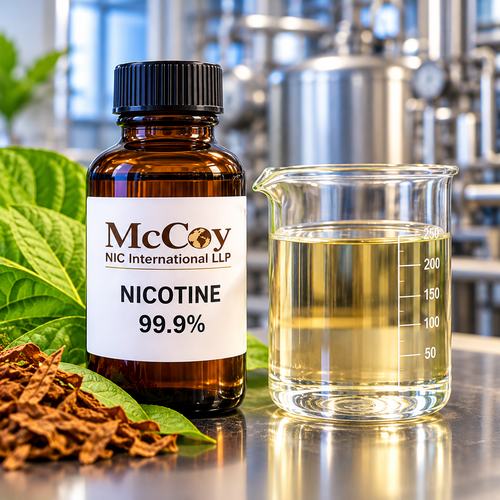
Nicotine purity is an important consideration for manufacturers and formulators sourcing nicotine as a raw material. Whether the material is tobacco-derived nicotine, nicotine extract, or synthetic nicotine, understanding purity and the associated quality parameters can help businesses make more informed purchasing decisions.

For manufacturers, purity is not simply a number on a specification sheet. It should be considered together with analytical testing, batch consistency, documentation, storage, handling, and the reliability of the supplier.

This article explains what nicotine purity means, why it matters, and what manufacturers should consider when evaluating nicotine raw materials.

What Does Nicotine Purity Mean?

Nicotine purity generally refers to the proportion of nicotine present in a specified raw material, according to the applicable analytical method and product specification.

The reported purity value is normally determined through laboratory testing. The exact testing method and acceptance criteria can vary depending on the product, supplier, customer requirements, and applicable standards.

For buyers, it is important to understand not only the stated purity but also how the value has been determined and what supporting documentation is available.

Why Does Nicotine Purity Matter?

Consistent raw-material quality is important for manufacturers and formulators that work with defined production processes.

Variations in raw-material characteristics can affect formulation control, quality assessment, and production planning. A clearly defined purity specification can therefore help manufacturers establish appropriate quality-control procedures.

However, purity should not be considered in isolation. A supplier’s overall quality system, testing practices, documentation, packaging, storage, and batch consistency are also important.

How Is Nicotine Purity Evaluated?

Nicotine purity is evaluated through analytical testing performed according to a defined method.

Depending on the product and testing requirements, laboratory analysis may be used to determine the nicotine content and assess other relevant quality parameters.

A professional supplier should be able to provide appropriate product specifications and, where applicable, batch-specific analytical documentation such as a Certificate of Analysis (COA).

Manufacturers should review the testing information and confirm that the analytical parameters meet their own purchasing and quality requirements.

Common Quality Parameters

Although the exact specifications depend on the product, nicotine raw materials may be evaluated using several quality parameters.

These may include:

The appropriate parameters depend on the material and its intended application.

Buyers should therefore discuss their specific requirements with the supplier before placing an order rather than relying on a generic specification.

Purity vs Overall Product Quality

A high purity value can be an important characteristic, but it does not automatically describe every aspect of product quality.

For example, manufacturers may also need to consider:

Consistency:
Does the supplier maintain similar specifications from batch to batch?

Documentation:
Are relevant specifications and batch records available?

Traceability:
Can the supplied material be connected to a specific batch and supporting documentation?

Packaging:
Is the material packaged appropriately for transportation and storage?

Handling:
Are suitable storage and handling practices followed?

Supply reliability:
Can the supplier consistently meet agreed order and delivery requirements?

Considering these factors together provides a more complete view of raw-material quality.

Importance of Testing and Documentation

Testing and documentation play an important role in professional B2B raw-material sourcing.

A Certificate of Analysis can provide batch-specific analytical information and help customers compare reported results with agreed specifications.

Other documents may also be relevant depending on customer and market requirements.

Proper documentation can support:

Manufacturers should clearly communicate their documentation requirements before purchasing.

Why Batch Consistency Matters

Manufacturers often prefer raw materials with consistent characteristics because their production processes are based on defined specifications.

If the characteristics of a raw material change significantly between batches, additional quality checks or production adjustments may become necessary.

For this reason, buyers should evaluate a supplier’s ability to maintain consistent specifications over time.

A single test report can provide information about one batch, but a long-term supplier relationship should also be evaluated based on consistency, quality systems, communication, and supply performance.

What Should Buyers Ask Their Supplier?

Before purchasing nicotine raw materials, manufacturers can ask suppliers several practical questions:

  1. What are the product specifications?
  2. How is nicotine purity tested?
  3. Is batch-specific COA documentation available?
  4. What analytical parameters are included?
  5. How is batch-to-batch consistency maintained?
  6. What packaging options are available?
  7. What are the recommended storage and handling conditions?
  8. What documentation can be provided for international shipments?
  9. What are the expected lead times and minimum order requirements?

Clear answers to these questions can help buyers compare suppliers more effectively.

Nicotine Extract and Synthetic Nicotine

Different nicotine raw materials can have different production routes and specifications.

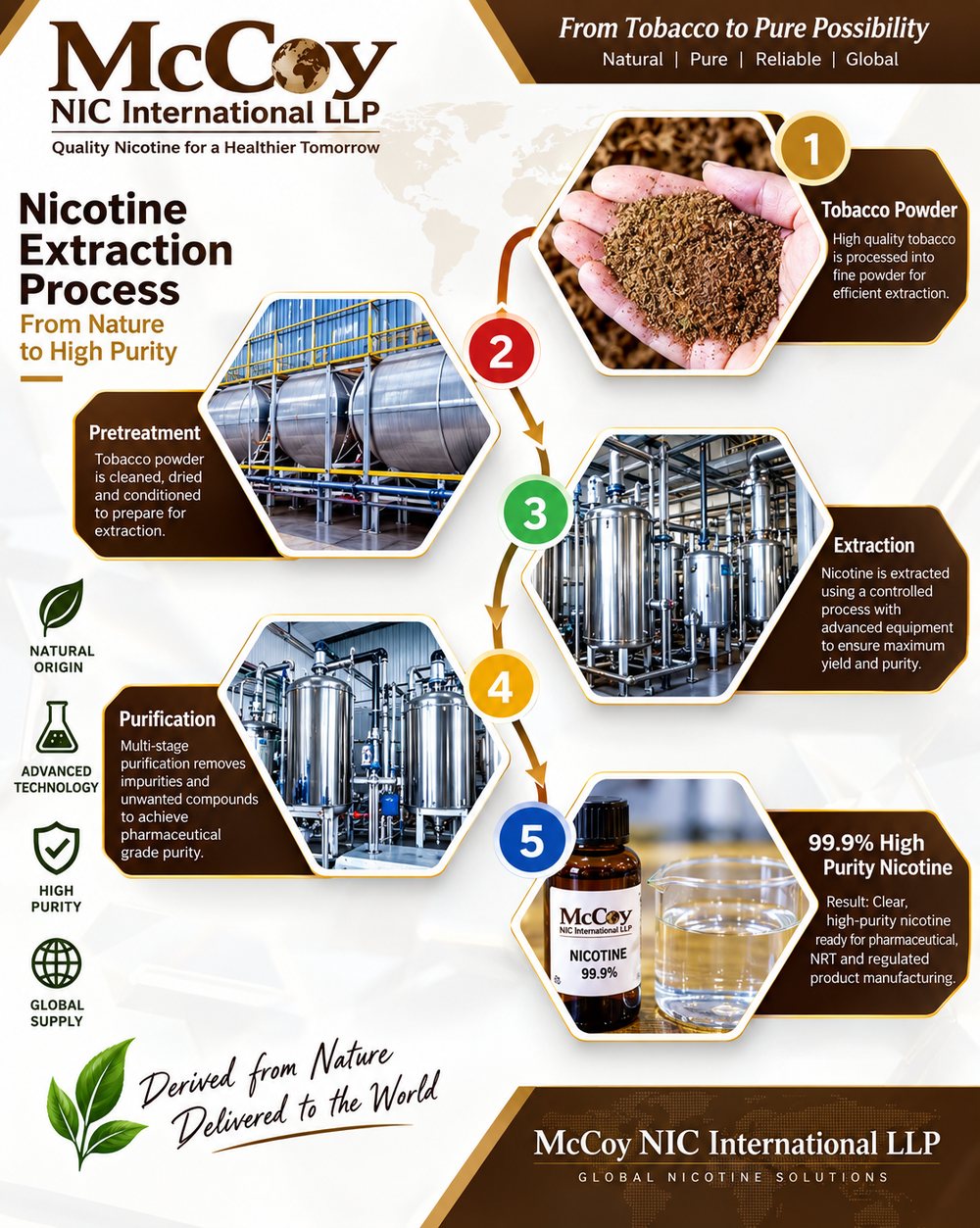
Nicotine extract is produced through extraction and purification processes associated with nicotine-containing raw materials.

Synthetic nicotine is produced through a chemical synthesis route rather than direct extraction from tobacco.

Regardless of the production route, manufacturers should evaluate the final material according to their specific requirements, including applicable purity specifications, analytical testing, documentation, and supply considerations.

McCoy NIC International LLP

At McCoy NIC International LLP, we supply specialized raw materials for manufacturers and formulators seeking consistent specifications and dependable B2B supply.

Our product portfolio includes Tobacco, Nicotine Extract, and Synthetic Nicotine.

Our Synthetic Nicotine is produced from our Gujarat base for customers looking for a tobacco-free nicotine ingredient and a modern raw-material supply option.

We focus on product specifications, quality documentation, professional handling, consistent supply, and clear communication with customers.

Our goal is to support manufacturers and formulators with dependable raw-material solutions based on their individual technical and commercial requirements.

Conclusion

Nicotine purity is an important factor when evaluating nicotine raw materials, but it should be considered as part of a broader quality assessment.

Manufacturers should look beyond the stated purity value and evaluate analytical testing, product specifications, batch consistency, documentation, traceability, packaging, storage, and supplier reliability.

A supplier that can provide clear specifications, appropriate quality documentation, consistent products, and dependable communication can help manufacturers build a more organized and reliable raw-material supply chain.

For businesses sourcing nicotine extract or synthetic nicotine, defining their requirements clearly and working with a professional supplier can make the procurement process more transparent and efficient.

Leave a Reply

Your email address will not be published. Required fields are marked *