Tobacco
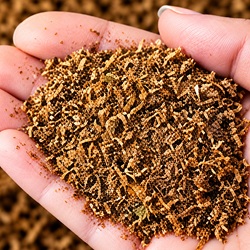
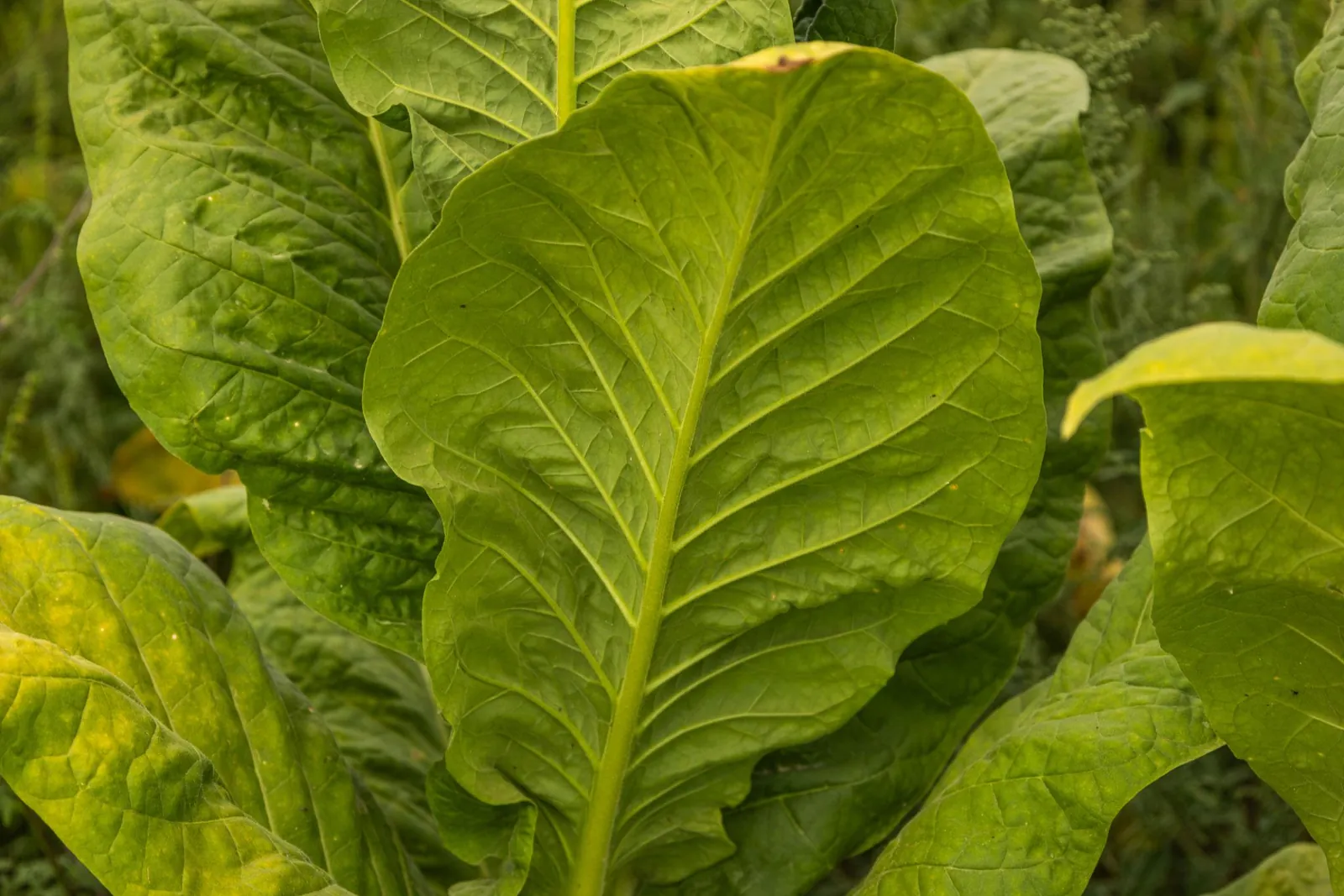
Our founding trade since 1931 — sourced and handled with the discipline of a house that has been doing this for nearly a century.
Ask for grades and specifications
From tobacco to pure possibility
Natural | Pure | Reliable | Global


In the tobacco trade since 1931
Three product lines from our base in Gujarat, India, serving manufacturers, formulators and distributors worldwide. Consistent specifications, documentation with every batch, and a house that has been doing this for nine decades.
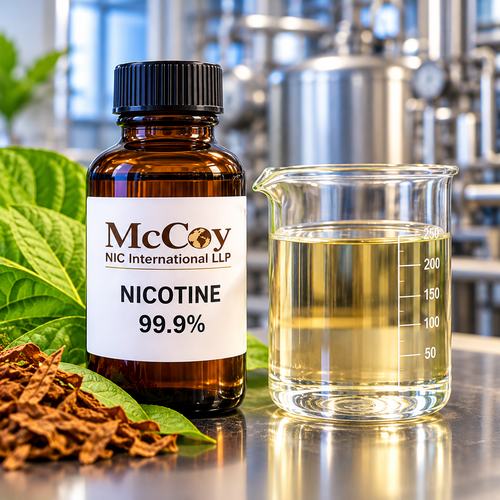
What we supply
Each line is handled to defined specifications, with batch traceability and technical documentation available to qualified B2B buyers.
Our founding trade since 1931 — sourced and handled with the discipline of a house that has been doing this for nearly a century.
Ask for grades and specifications
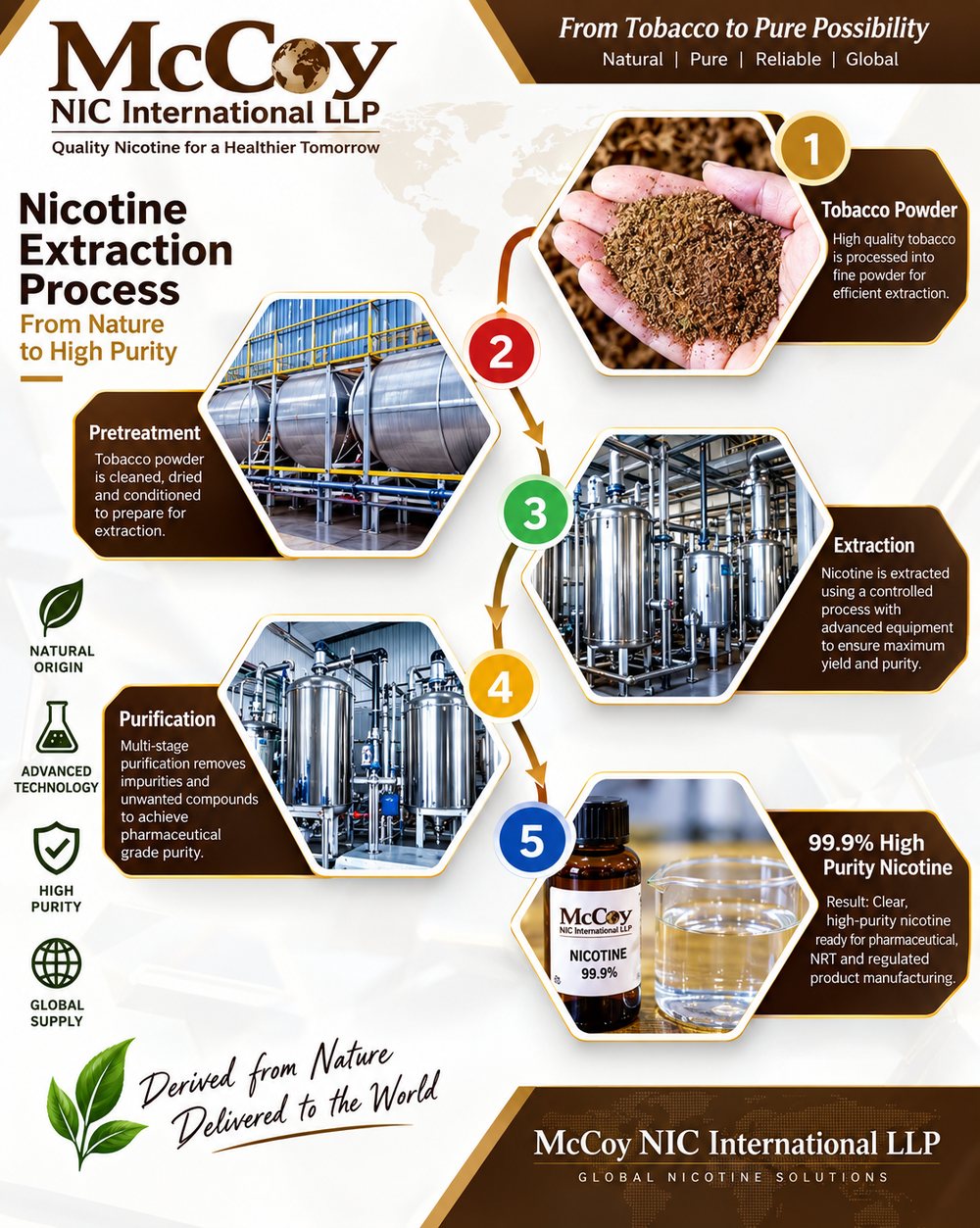
Extracted and characterised for consistency batch to batch, built for manufacturers who need dependable input specifications.
Tobacco derived nicotine
High purity, non-tobacco-derived nicotine developed for manufacturers requiring controlled specifications and reliable batch-to-batch quality.
Synthetic nicotineKnow who we are
Since 1931 our family has been in the tobacco business — one of the oldest continuously operating names of its kind in India. Over generations that foundation has been carried forward and deliberately diversified into nicotine extract and synthetic nicotine, produced from our base in Gujarat.

What has stayed constant across nine decades is the standard we hold ourselves to. It is why manufacturers and distributors who need a long-term partner keep coming back.
Led by founders from IIT and other institutions of similarly prestigious standing, bringing scientific and engineering rigour to a business built on trust.
Certificate of analysis, specification sheet and MSDS with every consignment, and batch traceability your own QA team can follow.
Export packing, hazard labelling and shipping paperwork handled in house, so your production schedule is not waiting on ours.
How it is made
Product pages
Compliance
Certification and compliance documentation can be shared with qualified buyers against the product and order requirement.
Testimonials
McCoy NIC International LLP has been professional and responsive throughout our business discussions. Their communication and attention to documentation made the process smooth and efficient.
Marissa YoungInternational Trading Partner
We appreciate McCoy NIC International LLP for their professional approach and timely communication. They have demonstrated a clear understanding of international business requirements.
Amit Kumar SinghBusiness Partner
Working with McCoy NIC International LLP has been a positive experience. Their team is responsive, organized, and committed to maintaining professional standards throughout the process.
Whitney RomeroOverseas Client
Get in touch
Enquiries are handled by our commercial desk. The more precisely you state your specification and monthly volume, the more accurate the quotation.